The Dreamland range, designed for the home Auckland and the metros are actually building
15 April 2026|Written by: Dream Chronicler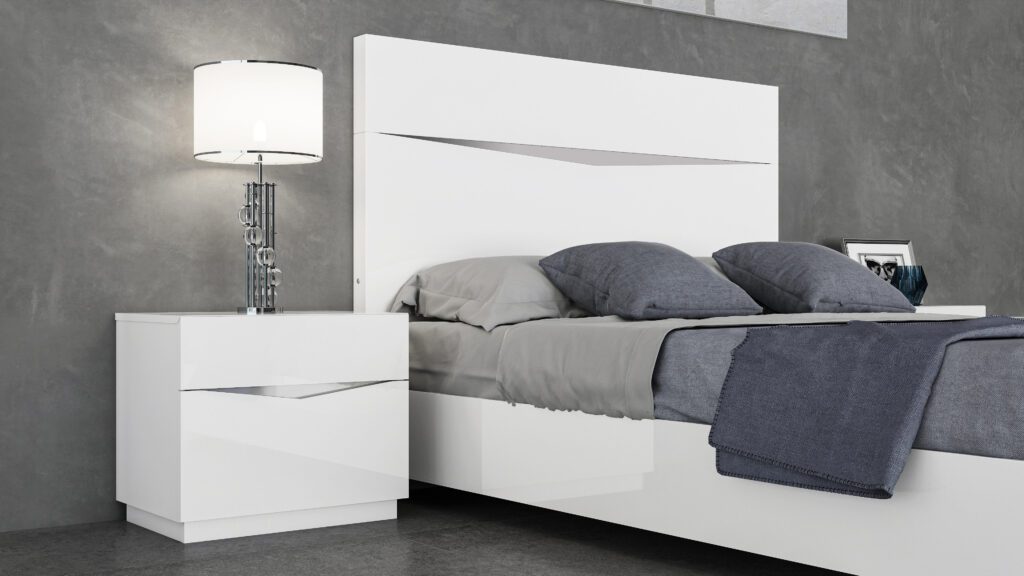
Most conversations about the New Zealand bedding range run on autopilot. Queen, King, maybe a Super King on the floor. One mattress in each price tier. An upholstered base under the mattress. A dark wood frame, a light wood frame, a fabric headboard in a neutral. Call it a day.
The conversation is wrong because the customer it is built for no longer lives where the range assumes. The customer we are actually building for has a smaller living area than the customer who bought that floor set twenty years ago. Younger on average. More likely to be renting, or to be in their first home rather than their second or third. More likely to be in a townhouse or an apartment than on a full section. More likely to have done most of their looking on a phone before they walk into a store. More likely, also, to be a settlement stage buyer furnishing a home for the first time rather than replacing worn pieces from the last decade.
Over the last eighteen months we have been rebuilding the Dreamland range around that customer. This piece is about what that has meant in practice, and where the next few months are taking it.
Where the customer actually lives
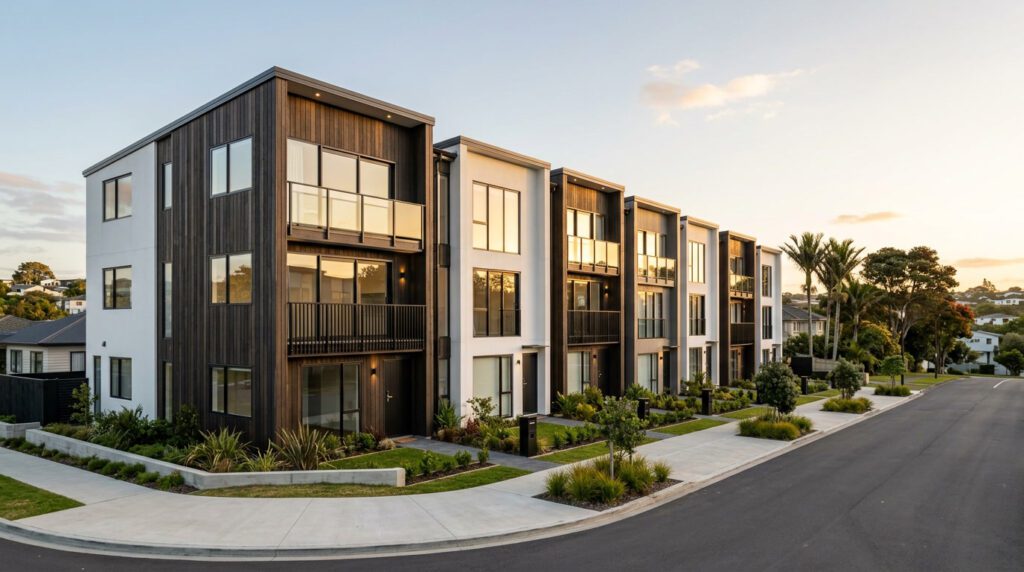
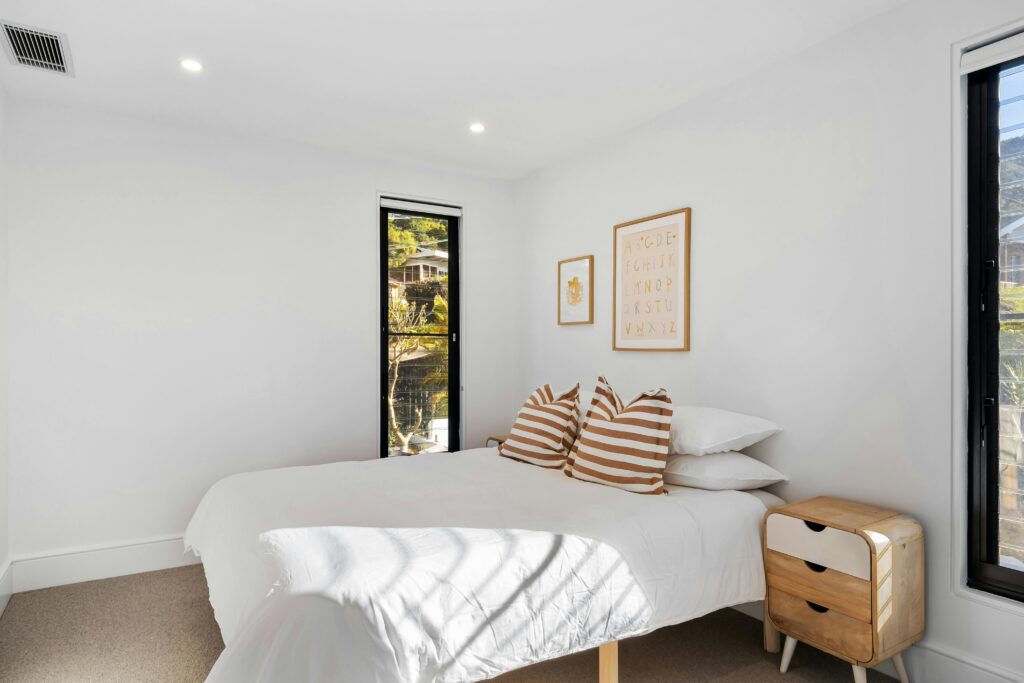
The home our range is being designed for is the home the Auckland Unitary Plan was written to build. It is the home that the Wellington intensification changes, the Christchurch rebuild, and the Hamilton and Tauranga growth plans are also producing, in smaller numbers. It is the home that does not have a dedicated guest room, but is expected to sleep guests anyway. It is the home where the primary bedroom has to work as a reading nook, a dressing area, and on some mornings a home office, because the second bedroom has become a nursery or a study or both. It is the home where the bed frame is seen the moment the front door opens, because the layout runs open plan from the entry through to the back.
None of that is unique to Auckland. It is sharper in Auckland because Auckland has been the earliest and largest site of medium density housing intensification, but the same pattern is visible in Wellington, in the new growth corridors around Hamilton and Tauranga, and increasingly in Christchurch’s central and northern suburbs. What started as an Auckland phenomenon has become a metro phenomenon.
The bedroom in this home is not a bigger version of the 1990s bedroom with better Instagram lighting. It is a different room, doing different work, for a different household. The range that serves it has to be a different range.
What we have been adding
The most visible change over the last eighteen months has been the expansion of our colour and finish range.
Our Fendalton headboard is the clearest example. Fendalton was already a strong seller in its original fabric. Last year we added four new colours: Charcoal Black, Graphite Grey, Midnight Grey, and Sandstone. The point of the expansion was not to chase trends. It was to recognise that the customer who considers a headboard colour a decorating decision, rather than a default neutral, is the same customer who is also choosing wall paint, curtains, and bed linen as a coordinated scheme. That customer is buying a headboard the way earlier generations bought a sofa. It has to match, and it has to be specific.
Our Parnell chesterfield followed the same logic. Parnell was originally a fabric chesterfield. We added four velvet colours: Deep Sea Green, Tasman Taupe, Navy Blue, and Gunmetal Grey. Velvet and chesterfield together are a specific aesthetic. We added the range when we could see the customer asking for that aesthetic already, not to create a new category of demand but to meet a demand that was walking past our floors because the right option was not on them.
Our Kingsland headboard, named for the Auckland suburb, was launched with three architectural neutrals. We added Charcoal Black late last year. Our Ponsonby headboard picked up Eclipse Black at the same time. Both additions were small in SKU terms but important in positioning. Black headboards have been the fastest growing colour choice in the segment for two years running. A range that does not have a credible black option is a range that is quietly shrinking even when its overall SKU count stays flat.
This pattern, of adding finish options to existing hero frames rather than adding new frames, has been deliberate. Colour expansion is cheaper to execute than new product development, delivers faster to the market, and lets the retailer tell a coordinated story on the floor rather than an endless sequence of new launches.
The flat pack question
The other visible change has been the introduction of flat pack bed frames. Our Takapuna Kitset Base and Reefton Bed Frame are both flat pack products, and both are doing something specific.
Flat pack has been dismissed in the premium end of the bedding market for a long time, usually on the assumption that it is associated with the big blue box and with student furniture, and that the premium customer would not accept it. That assumption does not match the customer we have been describing. A customer in a third floor apartment with a lift that will not accommodate a fully assembled queen bed has no choice about format. A customer moving flats every two or three years has a strong preference for furniture that can be taken apart and reassembled without damage. A customer who has been buying on the internet for a decade does not read flat pack as a compromise. They read it as a feature.
Our Reefton was developed from our existing Kaimai frame. It keeps the structural bones of the Kaimai design and the same solid timber construction, and simplifies the visual expression to sit cleaner in a smaller room. It also ships headboard ready, which means the customer who wants to add an upholstered headboard later, in one of the colours above, can do so without buying a replacement base. The Takapuna sits slightly further up the value story, with laminated slat construction and headboard bolts pre fitted across both of its available colours.
Neither of these products is trying to out price the big box. They are trying to meet a specific customer in a specific home with a format that suits the way they actually live.
The mattress range
The mattress range has followed the same logic, moving up rather than down.
Our Pegasus flagship mattress, launched last year, sits at the top of our range in the affordable luxury segment. Pegasus has over two thousand pocket coils, our dual coil engineering with a seven zone Precision spring paired with a responsive MiniCoil comfort layer, natural latex for airflow, and a cooling gel layer. It is designed to compete not on price, but on what a customer notices on the second night of owning it.
The reasoning behind Pegasus sits in the pricing ladder we have been building for two years. New Zealand bedding customers have been told, for most of the last decade, that they can either have a good mattress and pay a lot for it, or pay less and accept less. The customer we are building for rejects that framing. They want a mattress that performs at the top of the category, priced sharply enough that they can actually buy it. Further down the range, our Titan mattress serves the firm value segment, where the customer is prioritising support and durability over comfort layering. Titan and Pegasus are bookends of the same thinking. Both exist because the customer we are designing for does not fit the old middle tier that used to make up most of the market.
Suites, not just beds
One of the patterns most visible on the floors that are doing well right now is that customers are buying complete suites rather than individual pieces. Our Tokoroa range, launched late last year, is a solid pine sibling to our existing Kaimai family, paired with a matching two drawer bedside and a five drawer tallboy in the same timber. Customers who come in for a Kaimai are leaving with the full family more often than they used to.
The same pattern is driving the development of other complete suites in the range. The customer who does one bedroom renovation every seven or eight years does not want to browse individual pieces. They want to walk in, choose a look, and walk out with a coordinated outcome. The range needs to be organised to deliver that outcome, not to fight it.
What is on its way
Over the coming months several more additions are arriving.
The most significant is the arrival of two new high gloss bedroom suite ranges. This is the first time Dreamland has brought high gloss furniture to market, and we are launching two ranges at once. Orewa, in a crisp white finish, launches with a queen bed frame, matching bedside tables, and a dresser with mirror. Westhaven, in grey walnut, launches with a queen bed frame, matching bedside tables, and a tallboy. Both ranges feature soft close drawers with a velvet lined first drawer across the casegoods. The positioning sits inside our affordable luxury frame: contemporary finishes at accessible price points, designed for customers who want a premium visual feel without the premium cabinet making price. Both ranges are in production now. The first containers will be on their way to New Zealand shortly, and product pages will follow on our website over the coming weeks.
Beyond Orewa and Westhaven, a new headboard range is in development, a couple of new upholstered bed frames are moving through prototype, and two of our existing hero models, St Clair and Herne Bay, are getting additional colour palettes to sit alongside their current finishes. None of those are launch ready today. All of them are planned for release over the next few months.
The thread running through every one of these additions is the same. It is the customer we described at the beginning of this piece. The customer in the metro townhouse or the apartment, the settlement stage first home buyer, the Gen Y or Gen Z shopper who has researched online before walking into the showroom, the couple in their early thirties who treat their bedroom as part of their home’s design rather than as a utility room. Every product that has been added, and every product that is coming, has been added to meet that customer better than the old range did.
What this does not mean
It does not mean the Dreamland range has abandoned its traditional customer. The classic ranges continue. Kaimai is back in stock and running well. Ponsonby in its original palette continues to be one of our strongest headboards. Customers who want the timeless look can still get it, and can still get it well.
What it does mean is that the centre of gravity of the range has been shifting, because the centre of gravity of the customer has been shifting. The businesses that recognise that and adjust tend to do better through cycles like the one the country is currently in. The businesses that hold the old range steady and wait for the old customer to come back tend to find that the old customer’s children make different decisions.
More from us in two weeks. We will take a step back and look at what the last six months of writing on this site has been building toward, and what that means for the next six.