The new shape of the New Zealand household
26 November 2025|Written by: Dream Chronicler
The Reserve Bank cut the Official Cash Rate again today, taking it to 2.25%. That is the lowest it has been since early 2022, and the market view is that this is very likely the bottom of the easing cycle. The bumper 50 basis point cut in October and today’s smaller 25 basis point cut together take the cumulative reduction from the 5.50% peak of mid 2024 to 325 basis points. The conditions that made it necessary have not gone away entirely, but the worst of the tightening is behind us.
Over the last three weeks we have written about the macro picture for October and about how the shape of New Zealand houses is changing. This piece sits between them, because the third force that is reshaping our industry is not about interest rates and it is not about floor plans. It is about who is actually living in the New Zealand house of 2025, and how that differs from who was living in the New Zealand house of five years ago.
The customer is changing. That is not a phrase. It is three separate, measurable forces that are all pointing in the same direction at the same time.
Force one: the rate cycle is ending, which is structurally different from it easing
Today’s cut takes the OCR to 2.25%. The Reserve Bank’s own projected track, published alongside the decision, shows the OCR troughing at around 2.20% in the first half of 2026 before gradually climbing back toward the neutral level of 3% later in the decade. The vote was 5 to 1 in favour of cutting, with the dissenting member preferring to hold at 2.50%. That split tells you something on its own. The consensus view inside the committee is that there is not much room left at the lower bound. In the press conference following the decision, Governor Christian Hawkesby described the central projection as “consistent with the official cash rate being on hold through the course of 2026” with the risks balanced. That is the bottom of a cycle being called out loud.
This matters for households and for our industry in a specific way. A rate cutting cycle in progress is a different signal to consumers than the arrival at the bottom of the cycle. While rates were still coming down, the rational response was to delay big purchases because the cash flow relief from the next mortgage roll would keep improving. Once the market accepts that the cycle is over, that deferral logic weakens. Fixed terms rolling over at 4.49% are probably not going to reach 3.99%, and anyone still waiting for a better moment is now deciding whether the current moment is good enough.
The latest ANZ Roy Morgan consumer confidence reading we have in hand is October at 92.4 on the headline index, with the “good time to buy” retail indicator at minus 14. The November reading lands in the next few days. A recovery in confidence, combined with the market’s acceptance that rate relief is now essentially complete, is what turns pent up demand into actual transactions.
Force two: the migration tailwind is gone
For most of the last two decades, the single strongest driver of bedding demand in New Zealand was net migration. When a couple or family moves to a new country, one of the first purchases they make is a bed. When net migration peaked at 135,500 in the year to October 2023, with migrant arrivals that year running at 234,800, the implied additional bed demand was meaningful at a national scale.
That tailwind has largely dissipated. Stats NZ’s latest release, covering the year to September 2025, shows net migration at 12,400. Roughly a tenth of the peak. The year to August 2025 reading was 10,600, with the September uptick to 12,400 well within the usual statistical noise. The bigger swing has been on the departure side, with New Zealand citizens leaving at near record rates. Citizen departures in the year to August 2025 reached 73,900, a fresh record at the time. The main destination, as always, is Australia.
What this means for our industry is straightforward. The raw new customer base that migration provided every year is no longer growing the way it was. The arithmetic does not work if the expectation is that 2026 will deliver another 100,000 new arrivals who need beds. It will not.
Force three: the composition of the customer base is shifting
This is the force that is hardest to see in a single number but is probably the most durable of the three.
The migration that is still happening is weighted toward arrivals from India, China, the Philippines, and Sri Lanka. In the year to August 2025, these four nationalities drove the bulk of non New Zealand citizen net gains. They are also the groups most likely to settle into multigenerational living arrangements, at least in the first years of residence. Parents, children, and grandparents living under one roof is significantly more common among these groups than in the typical New Zealand household of twenty years ago.
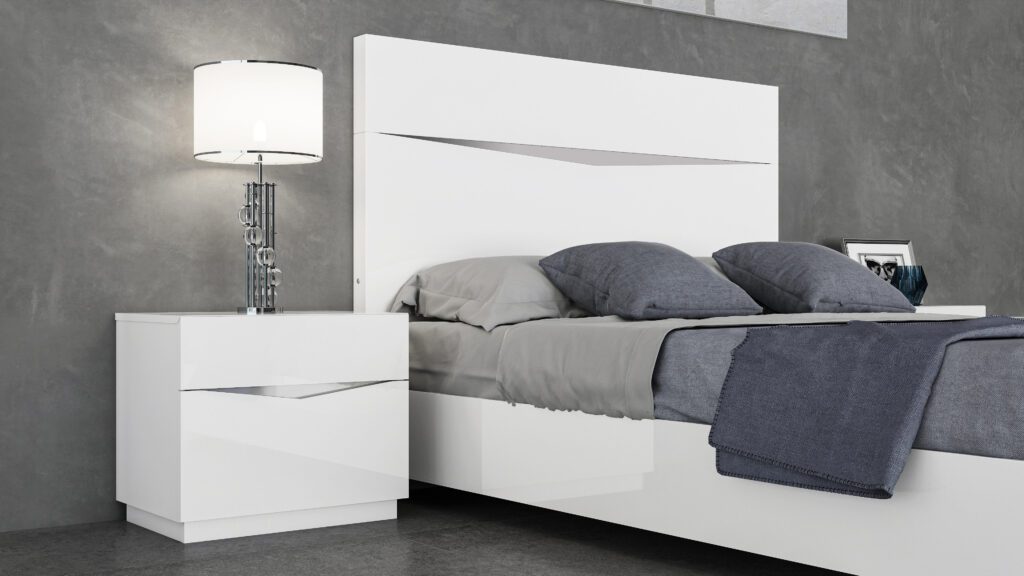
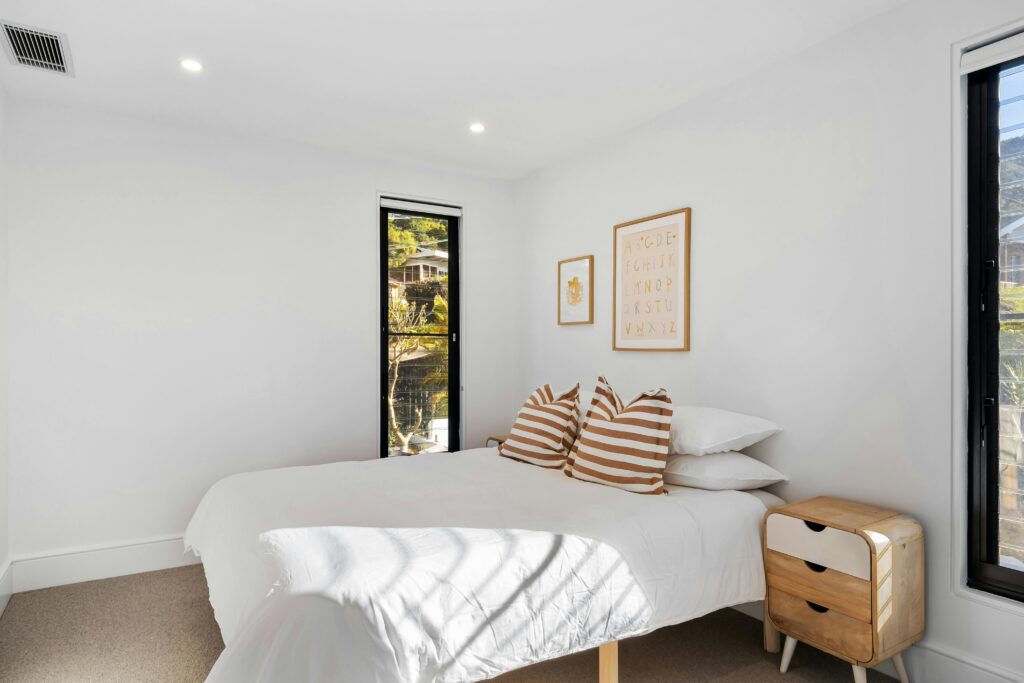
That settlement pattern has specific implications for bedrooms. A three bedroom townhouse being lived in by two parents, two children, and one grandparent has a very different bedding requirement from a three bedroom house being lived in by two parents and two children. One bedroom is a couple. One bedroom is two children sharing. One bedroom is a single older adult who wants something firmer and closer to the floor than a teenager wants. Three bedrooms, three quite different bedding decisions, all within the same household. The same 110 square metre townhouse format we wrote about a fortnight ago can accommodate this usage pattern comfortably, provided the bedding decisions match the actual occupants of each room. That is more demanding on the retailer and supplier than a single household filling a single bed. It requires a range with more sizes, more firmness options, more headboard styles, and more compact formats than the range that served the previous generation of customers.
Alongside this, the smaller adult household is also growing in share. Couples without children, older households whose children have left, single occupants in compact apartments. These households make fewer but higher quality bedding decisions. One excellent headboard in exactly the colour and style they want. One mattress that they expect to last a decade. The volume of bedroom surfaces matters less. The precision of the one or two that do exist matters more.
One further composition point is worth naming. New immigrants in their first years of residence are rarely making forever decisions. They are often still working out which city they will stay in, which suburb suits their commute, whether an eventual move to a larger home is realistic. The bedding they buy in the first two or three years tends to be chosen to work now and to be movable or replaceable later. That is not a worse kind of customer. It is a different kind of customer, and a growing share of the market. Retailers and suppliers who can serve a buyer in their first few years in New Zealand well, with products that look considered now and are practical to move on later, pick up a customer who is likely to return when their situation stabilises.
Why three forces at once is the interesting picture
Any one of these three forces, on its own, would be manageable. Suppliers and retailers have navigated rate cycles before. Migration has gone up and down before. Household composition has shifted before. What is new is all three happening at the same time, and in the same direction.
The businesses that will do well from here are the ones that see all three at once rather than trying to solve for one of them. A range designed only for the classic Queen bed on a box base in a 600 square metre family home is not the answer. A range designed only for the compact townhouse is not the answer either. What is needed is a range that can flex across all three of the customer situations the data is describing. Townhouse households with kids sharing rooms. Multigenerational households fitting three generations into three bedrooms. Smaller adult households making one considered bedroom decision that has to last.
The Tokoroa pine range we introduced to trade last week is a concrete example of the approach. Kaimai has always been the workhorse flat pack frame, and Tokoroa sits alongside it as a slightly more contemporary sibling. Both work for the townhouse kids’ room. Both work for the multigenerational spare room. Both work for the older couple who wants something solid, unpretentious, and delivered without drama. The point is not the individual product. The point is that the range can sit across multiple household types at once.
What is next
More from us in December, as we close out the year. By then we will have the November consumer confidence reading in hand, a clearer picture of how Labour Weekend and early Black Friday have played out on the showroom floor, and some early signals on whether the final OCR cut and the start of summer have moved the “good time to buy” indicator in the direction the underlying setup suggests it should.
Thank you for reading.
Sources cited: RBNZ Monetary Policy Statement, 26 November 2025; RBNZ press conference following the 26 November 2025 decision; Stats NZ International Migration, year to September 2025 release; Stats NZ International Migration, year to August 2025 release; ANZ Roy Morgan Consumer Confidence, October 2025.