
Kids beds in New Zealand: an honest buying guide
The right kids bed is the one that fits your child now, grows with them for a few years, and is safe to sleep in every night: for most New Zealand families that means a single or king single frame in a durable, child-safe finish, matched to a supportive medium firm mattress and chosen for the room you actually have.
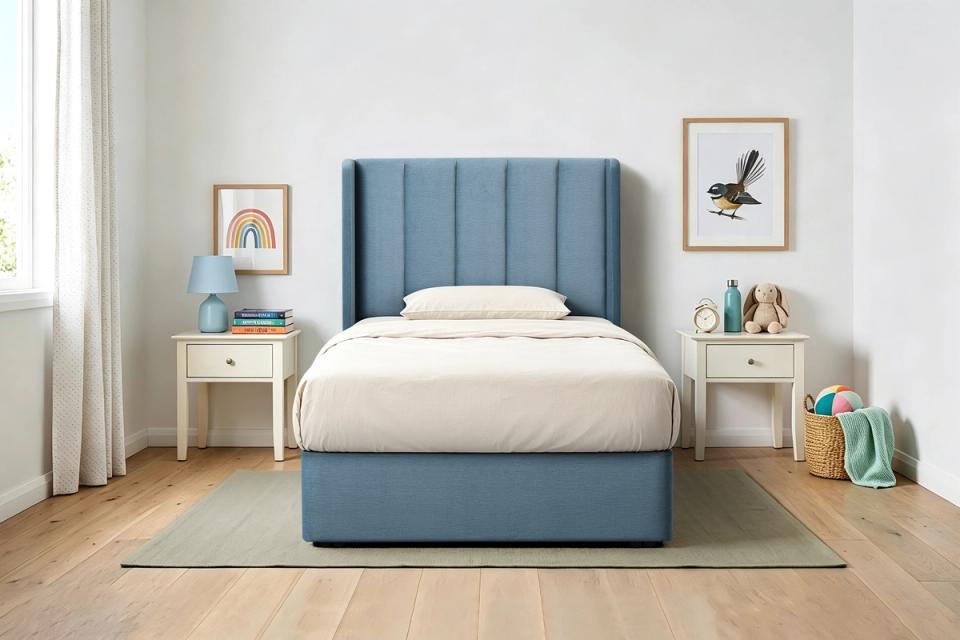
Buying a bed for a small person is a surprisingly big decision. It has to survive years of bouncing, the odd spilled drink and a growth spurt or two, feel safe enough that you sleep as well as they do, and still fit a bedroom that is usually smaller than you would like. This guide walks through it in plain terms: when a child is ready to leave the cot, the sizes that make sense, when a bunk or a trundle earns its place, how to choose a mattress that supports a growing body, and the safety basics that matter most.
Is your child ready to leave the cot?
Most New Zealand children move from a cot to a bed somewhere between 18 months and three and a half years, and Whānau Āwhina Plunket suggests it is usually safest to wait until around two, unless your child is already climbing out[1]. Age matters less than the signs: a toddler clambering over the cot rail, especially with the mattress already on its lowest setting, or a child who is toilet training and needs to reach the bathroom at night, is telling you they are ready[1]. It is a big change for them, so pick a stretch when you have the patience for a few unsettled nights[1].
What size bed: single, long single, or king single
New Zealand bed sizes are standard, which makes planning easy[2]:
- Single, 91cm wide by 188cm long. The classic first proper bed, and the most room friendly.
- Long single, 91cm wide by 203cm long. Same width, extra length for a tall child.
- King single, 107cm wide by 203cm long. The size that grows with them, wider and longer, and the one most families keep well into the teens.
107 x 203cm
If the room allows it, a king single is often the smart long game: children grow faster than furniture wears out, and the extra width earns its keep for bedtime stories and sick days. In a smaller or shared room, a standard single or a bunk makes better use of the floor.
Single, bunk, or trundle: which suits your family
- A single or king single frame suits one child with room to spare, and is the simplest, safest option.
- A bunk doubles the sleeping in one footprint, ideal for shared rooms, but it comes with real safety rules and an age guide. Read our companion piece first: Bunk bed safety: the New Zealand parent’s checklist.
- A trundle tucks a second bed under the first, brilliant for sleepovers and guest nights without giving up floor space day to day. In the Dreamland range the trundle beds are part of the upholstered line, so they are a soft, fabric finished option rather than a timber one.
Dreamland’s kids beds come in two families. The timber range is the durable, classic choice: Daisy and Jack are king single frames, while Charlie and Tyler come as both king single frames and as bunks. Charlie and Tyler are the two bunks, built and tested to the AS/NZS 4220 bunk safety standard, with independent third party test reports held on file. The newer upholstered king singles, Theo in blue and Mila in soft pink, offer a quieter, softer look for a single bed; they are frames, not bunks, and are not part of the tested bunk line.
Choosing the mattress: support beats plushness
Children need firmer support than adults, because their spines are still developing, so a mattress that feels luxuriously soft to you can leave a small body poorly aligned night after night[3]. As a rough guide, toddlers and young children (about 2 to 5) do best on a firm to medium firm feel, and school age children (about 6 to 12) on medium to medium firm; a very soft, sink-in feel is best avoided, especially for the youngest[3]. A few practical New Zealand notes:
- Buy for the next four to five years, not just today’s height[3].
- Choose a breathable cover. New Zealand’s humidity swings between seasons, and airflow keeps the bed fresher[3].
- Look for a washable or removable cover for the younger years, and foam certified to a recognised low emission standard such as CertiPUR-US (with OEKO-TEX for the fabric)[3].
Medium firm
Dreamland mattresses are made in single and king single sizes (among the larger sizes too), so you can match the mattress to a kids frame and try the feel in person before you buy.
The safety basics
Whatever you buy, a few things matter more than looks:
- A child-safe finish. Children spend close to half their day against the bed, so a finish tested for safety is worth asking about. Dreamland’s timber kids range carries a child-safe, lead-free finish that meets international toy-safety limits for heavy metals (tested to EN 71-3 and ASTM F963-17) and is REACH SVHC compliant. This applies to the timber range, not the upholstered Theo and Mila frames.
- For bunks and elevated beds, the AS/NZS 4220 safety standard. Guardrails, gap sizes and structural strength all matter, and there is a clear age guide. See our full bunk bed safety checklist.
- Anchor tall furniture. Tallboys and drawers should be secured to the wall to prevent tip overs, a serious home injury risk for young children[4].
The short version
- Wait for readiness, not just a birthday, before leaving the cot (often around two).
- A king single grows with your child; a single or bunk saves floor space.
- Choose support over softness: medium firm for most ages, and buy for the next few years.
- Pick a child-safe finish, follow AS/NZS 4220 for bunks, and anchor tall furniture.
Browse the kids beds and bunks range or find your nearest stockist to try one in person.
Good to know
- What size bed is best for a child in New Zealand?
- A standard single (91 x 188cm) is the classic first bed and the most room friendly. A king single (107 x 203cm) costs a little more space but grows with your child into the teens, which is why many families choose it when the room allows.
- What age should a child move from a cot to a bed?
- Most move between 18 months and three and a half years. Plunket suggests waiting until around two where you can, and watching for readiness signs like climbing out of the cot, rather than going by age alone.
- How firm should a child’s mattress be?
- Medium firm suits most children. Younger children (about 2 to 5) do well on firm to medium firm; school age children on medium to medium firm. A very soft, sink-in mattress is best avoided, especially for the youngest, as growing spines need support.
- Is a bunk bed safe for a young child?
- Bunks are generally not recommended for children under nine, and younger children should use the bottom bunk only. See our bunk bed safety checklist for the full age and setup guidance.
References
- [1] Moving from a cot to a bed, Whānau Āwhina Plunket Cot-to-bed timing (18 months to three and a half years), the around-two guidance, and the readiness signs.
- [2] New Zealand bed sizes guide, bedsizes.biz Standard NZ bed sizes: single 91 x 188cm, long single 91 x 203cm, king single 107 x 203cm (the standard sizes match Dreamland's own single and king single specs).
- [3] Best mattress for kids, Sleep Foundation Firmness by age (firm to medium firm about 2 to 5, medium to medium firm about 6 to 12; a very soft, sink-in feel best avoided, especially for the youngest) and the NZ practicalities: breathable and washable covers, low-emission foam certification, buying for growth.
- [4] Making your child’s bedroom safe, Whānau Āwhina Plunket Anchor tall furniture to the wall to prevent tip overs.
Researched and drafted with AI assistance, reviewed and fact checked by a named human.