
Bunk bed safety: the New Zealand parent’s checklist
A safe bunk bed meets the AS/NZS 4220 design standard, has full guardrails on the top bunk, no gaps that can trap a small head, and is used by a child old enough for the top bunk, which in New Zealand generally means nine and over: this checklist covers what the standard requires, what to look for before you buy, and how to set a bunk up safely at home.
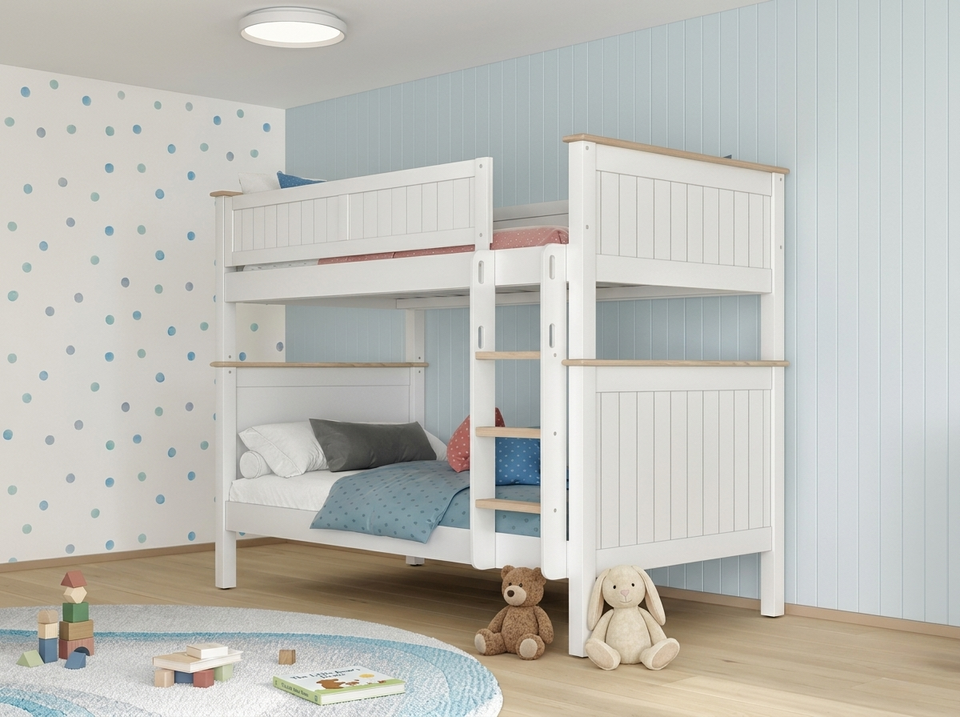
Bunks are brilliant for shared rooms and sleepovers, and they are also the one bed where safety matters more than style. The reassuring part is that what makes a bunk safe is specific and checkable, not a vague worry. Here is the checklist, drawn from the AS/NZS 4220 standard together with Whānau Āwhina Plunket and Product Safety New Zealand guidance, plus how Dreamland builds the safety in.
What the AS/NZS 4220 standard asks for
AS/NZS 4220 is the Australian and New Zealand standard for bunk beds and other elevated beds. It is a voluntary standard, but it is the benchmark to look for, because it sets out the design features that prevent the two biggest bunk risks, falls and entrapment[1]. In practice it addresses:
- Guardrails on all sides of the top bunk, high enough above the mattress that a sleeping child cannot roll out. Product Safety New Zealand states the vertical distance between the top of the guardrail and the top of the mattress base should be not less than 360mm[2].
- No gaps of 95mm to 230mm anywhere on the bed, including guardrails and ladder rungs, because a small body can slip through a gap that a head cannot, which is an entrapment and strangulation risk[2].
- No protrusions sticking out more than 5mm, which could catch clothing[2].
- Structural strength and clear warning labels[1].
360mm
Source: Sleep safety: cots, bunk beds and baby slings, Product Safety New Zealand
The right age for a bunk
This is the rule parents most often miss: bunk beds are generally not suitable for children under nine, and Product Safety New Zealand advises keeping younger children off the top bunk[2]. The reason is developmental, not arbitrary. Younger children do not yet have the coordination to use a ladder and top bunk safely, and falls from the top bunk are the most common bunk injury[2]. If you have younger children, use the bottom bunk only, or choose a single bed until they are ready.
Before you buy: the checklist
Before you buy, check for:
- Full guardrails on all four sides of the top bunk, with only the ladder as an opening.
- Gaps that stay clear of the 95mm to 230mm range, on the guardrails and the ladder.
- A firmly fixed, stable ladder.
- Smooth edges and fittings, nothing protruding.
- A mattress that fits the base with no dangerous gap at the edges, and is not so thick that it lifts the sleeping surface too close to the top of the guardrail.
- A build made to AS/NZS 4220, with the warning label present.
Setting it up safely at home
- Keep the bunk away from windows, and keep blind and curtain cords out of reach, a strangulation risk from an elevated bed[3].
- Allow clear space above the top bunk, and keep it away from ceiling fans, lights and fittings[3].
- Position it so a child cannot climb onto nearby furniture or a windowsill from the bunk[3][4].
- Use a night light so the ladder is easy to see for trips during the night.
Everyday safe use
- The top bunk is for sleeping, not playing. Most injuries happen from playing or jumping up top[2].
- One child on the top bunk at a time.
- Check the bolts and brackets regularly. Bunks loosen with normal use, so a quick tighten every few months keeps the whole bed solid. On a Dreamland bunk this is also part of keeping your warranty valid.
How Dreamland builds bunks to be safe
Dreamland makes two bunks, Charlie and Tyler, and both are designed and tested to AS/NZS 4220, with independent third party test reports held on file. They are finished in a child-safe, lead-free coating that meets international toy-safety limits for heavy metals (tested to EN 71-3 and ASTM F963-17) and is REACH SVHC compliant, so the bed your child spends a large part of the day against is safe by design, not by luck. See the kids beds and bunks range or find your nearest stockist to see one in person.
The short version
- Look for AS/NZS 4220, full top bunk guardrails, and no gaps in the 95mm to 230mm range.
- Bunks generally suit children nine and over; younger children use the bottom bunk only.
- Keep it clear of windows, cords, fans and lights, and tighten the fittings every few months.
- The top bunk is for sleeping, one child at a time.
Good to know
- What age is a bunk bed safe for?
- Bunk beds are generally not recommended for children under nine, and younger children should use the bottom bunk only. It is about coordination on the ladder and top bunk, not just size (Product Safety New Zealand).
- What is AS/NZS 4220?
- It is the Australian and New Zealand safety standard for bunk beds and other elevated beds. It covers guardrail height, gap sizes, structural strength and warning labels, the features that prevent falls and entrapment.
- Are Dreamland bunks certified?
- Dreamland’s two bunks, Charlie and Tyler, are tested to AS/NZS 4220, with independent third party test reports held on file. AS/NZS 4220 is a voluntary standard with no formal certification scheme, so the accurate description is “tested to AS/NZS 4220” rather than “certified”.
- How often should I check a bunk bed?
- Every few months. Tighten the bolts and brackets, and check the ladder and guardrails are firm and undamaged. Repair anything loose or broken before it is used again.
References
- [1] AS/NZS 4220:2010 Bunk beds and other elevated beds, Standards New Zealand, 2010 The design standard itself: guardrails, gaps, structural strength and warning labels; voluntary in NZ.
- [2] Sleep safety: cots, bunk beds and baby slings, Product Safety New Zealand Guardrail height (not less than 360mm above the mattress base), the 95mm to 230mm gap rule, protrusions, and the under-nine age guidance.
- [3] Making your child’s bedroom safe, Whānau Āwhina Plunket Keep bunks clear of windows, cords, fans and fittings.
- [4] Bunk bed safety, Kiwi Families Positioning so a child cannot climb from the bunk to nearby furniture or a windowsill.
Researched and drafted with AI assistance, reviewed and fact checked by a named human.