What counts as a good night’s sleep?
3 May 2026|Written by: Dream Chronicler
You wake up, roll over, and check your sleep score before you even think about how you feel. The number looks low, and suddenly you feel tired. Or maybe your watch gives you a great score, but your body still feels heavy, your mood is flat, and your brain does not feel ready for the day.
Sound familiar?
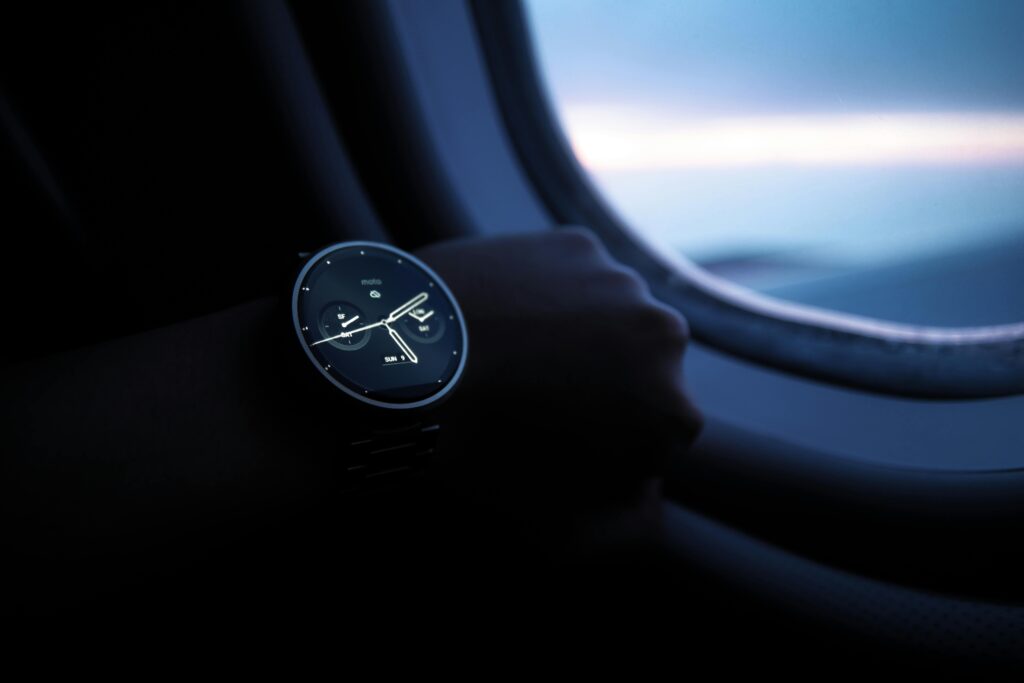
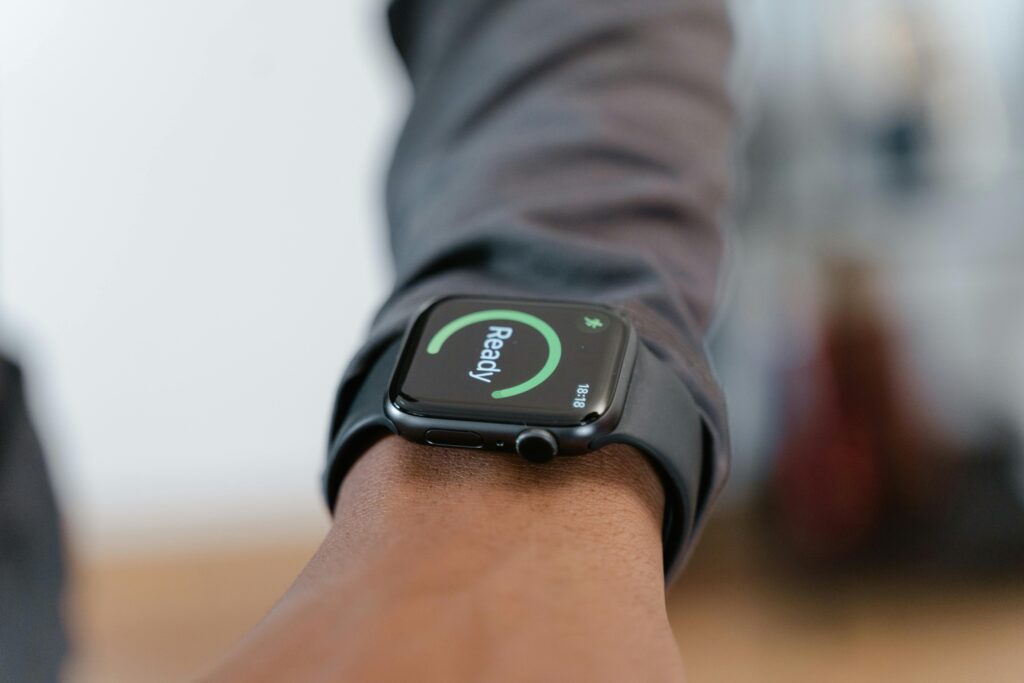
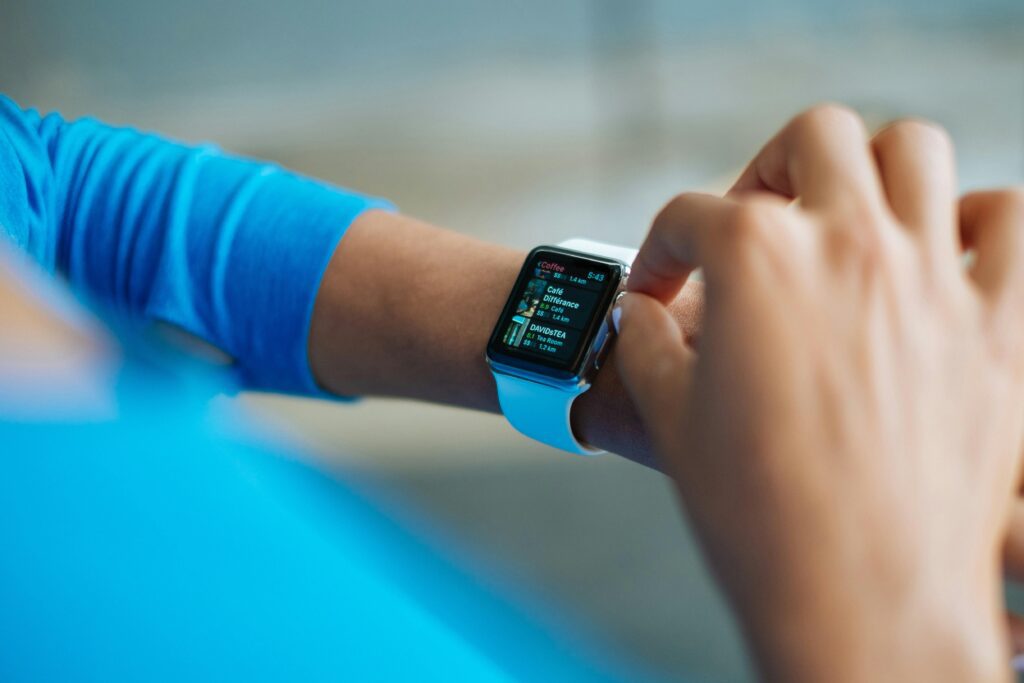
Wearable sleep trackers have become part of daily life for many of us. Apple Watch, Garmin, Fitbit, Oura, WHOOP, Samsung, and other devices can show us sleep duration, deep sleep, REM sleep, resting heart rate, HRV, and more. That data can be very useful, but it can also become another thing to worry about.
If your numbers are not perfect every morning, it does not mean your sleep has failed. A good night’s sleep is not about chasing a flawless score. It is about getting enough rest, reducing disruption, building consistency, and waking up ready enough to live, work, train, parent, and recover.
In our earlier article, Your watch is smarter than you think: decoding the data beyond steps and sleep, we looked at what wearable data can tell us beyond the basic sleep score. This time, we are taking the next step. Once you understand the numbers, how do you know whether you actually had a good night’s sleep?
So what really counts as a good night’s sleep? Let’s look at it in a more practical way.
Sleep duration still matters
There is a reason most sleep apps give total sleep time so much weight. Sleep duration is the foundation. For most adults, around 7 to 9 hours of sleep is generally considered a healthy target. Your body needs enough time to move through different sleep cycles, including light sleep, deep sleep, and REM sleep.
If you keep cutting your sleep short, your body has less time to repair, reset, and prepare for the next day. This is especially important if you train hard, work long hours, carry stress, or have a busy family life. Your body cannot recover properly if it is always running on a short sleep window.
So yes, sleep duration matters. But duration is not the whole story.
More sleep is not always better if the quality is poor
An 8 hour sleep does not automatically mean a great sleep. If those 8 hours are broken by constant wake ups, tossing and turning, overheating, noise, stress, or discomfort, you may still wake up feeling flat.
On the other hand, a slightly shorter night that is calm, settled, and consistent may leave you feeling better. This is why sleep quality matters alongside duration. A good night is usually a mix of enough total sleep, fewer disruptions, reasonably consistent timing, healthy sleep stages, and a body that feels ready enough the next day.
Your watch can help you notice these patterns, but it cannot fully understand how your body feels. That part still matters.
The deep sleep percentage trap
Deep sleep gets a lot of attention. It is easy to wake up, see a low deep sleep percentage, and feel like the night was wasted. But percentages can be misleading.
For example, if you sleep for 6.5 hours and your wearable shows 20 percent deep sleep, that equals around 78 minutes of deep sleep. If you sleep for 8 hours and your wearable shows 12 percent deep sleep, that equals around 58 minutes of deep sleep.
At first glance, the shorter sleep may look better because the deep sleep percentage is higher. But that does not automatically mean it was the better night overall.
Deep sleep is important. It supports physical recovery, tissue repair, immune function, and that heavier, more restored feeling in the body. But it is still only one part of sleep. A shorter night with a higher deep sleep percentage may still leave less time for other important stages, especially REM sleep.
This is why you should not judge your whole night by one percentage. Look at the bigger picture.
REM sleep matters too
If deep sleep helps restore the body, REM sleep helps restore the brain. REM sleep supports learning, memory, mood, emotional processing, and mental sharpness. It also tends to happen more in the later part of the night.
This means if you wake up too early or regularly cut your sleep short, you may reduce your REM sleep even if your deep sleep looks good. That may be one reason you can feel physically okay but mentally foggy. Or you may train well one day, but feel moody, distracted, or less coordinated the next.
Good sleep is not just about muscles. It is also about your brain, mood, decision making, and emotional balance.
What a good night’s sleep really looks like
A good night’s sleep does not need to be perfect. For most people, it means you are getting around 7 to 9 hours of sleep most nights, you are not waking up constantly, your bedtime and wake time are reasonably consistent, and both deep sleep and REM sleep are showing up somewhere in your sleep cycle.
It also means your resting heart rate and HRV are close to your usual personal baseline, rather than constantly moving in the wrong direction. Most importantly, it means you wake up able to function, focus, work, train, parent, and recover.
That last point matters. Your watch can estimate what happened while you slept, but your body gives you important feedback too. Ask yourself whether you feel clear enough to start the day, whether you can focus reasonably well, whether you are recovering from training, and whether you are relying heavily on caffeine just to get through the morning.
If you keep waking up tired even after enough hours in bed, that is worth paying attention to. These real world signals can help you understand your sleep in a way that a screen cannot fully explain.
Use your wearable as a compass, not a judge
One low sleep score is not a disaster. One bad night does not mean your health, training, or recovery has fallen apart. The bigger question is what keeps happening over time.
Look at your sleep trends across 2 to 4 weeks. If your sleep duration is always short, your nights are always broken, your resting heart rate is often higher than normal, or you keep waking up tired, then it may be time to review what is happening.
Common areas to look at include late caffeine, alcohol, evening screen time, stress, heavy training too close to bedtime, room temperature, light and noise, and mattress and pillow comfort. The goal is not to panic. The goal is to notice patterns and make small improvements.
Your wearable should guide you, not pressure you.
Your bedroom is where sleep actually happens
Data can show you what happened overnight. But your sleep environment is what helps shape the night in the first place.
A cool, dark, quiet room can make it easier to sleep well. Breathable bedding can help with temperature. A supportive mattress can reduce pressure points and help your body stay comfortable for longer. A suitable pillow can help keep your neck and shoulders better aligned.
These things may not give you a perfect sleep score overnight. But they can help create the conditions for more settled, consistent sleep. That is where the real improvement usually happens.
At Dreamland, we believe good sleep starts with the right environment. Your watch can show you the data, but your bedroom is where recovery actually takes place.
Real recovery over perfect data
A good night’s sleep is not about waking up to a perfect 100 on your app every morning. It is about building a sleep pattern that supports your body, your mind, and your lifestyle.
Some nights will be better than others. That is normal.
Instead of chasing the perfect deep sleep percentage, focus on the basics first. Give yourself enough sleep opportunity. Keep your routine reasonably consistent. Create a bedroom that feels calm and comfortable. Pay attention to how you feel, not just what your watch says.
Sleep data is a tool. It is not a test you have to pass. And sometimes, the best sign of a good night’s sleep is simple.
You wake up feeling ready enough to take on the day.