85 is the new 100: why your readiness score dictates your PRs
2 January 2026|Written by: Dream Chronicler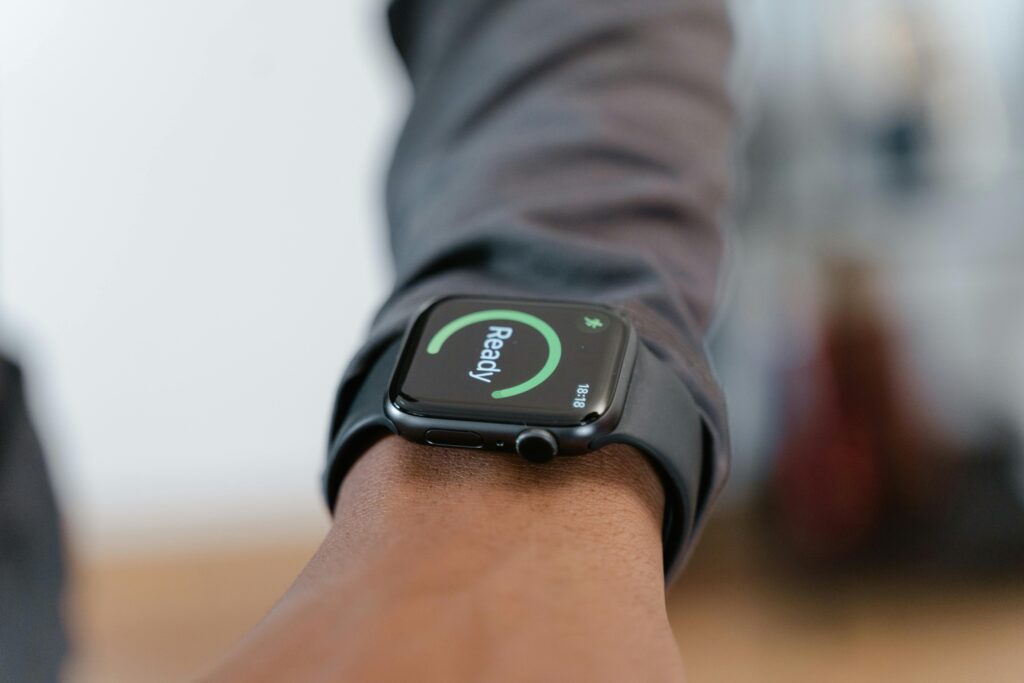
Your body keeps receipts. 🧾
Every late night email you answered. Every extra shot of espresso. That heavy squat session from Tuesday. The glass of wine you had to wind down.
You might feel fine when the alarm goes off. You might tell yourself you are ready to crush the day. But your biology does not lie.
For years, athletes relied on “feel” to gauge recovery. If you were not sore, you trained hard. If you were tired, you drank more coffee. But in the age of wearable tech, we have moved past guessing. We now have a dashboard for our nervous system.
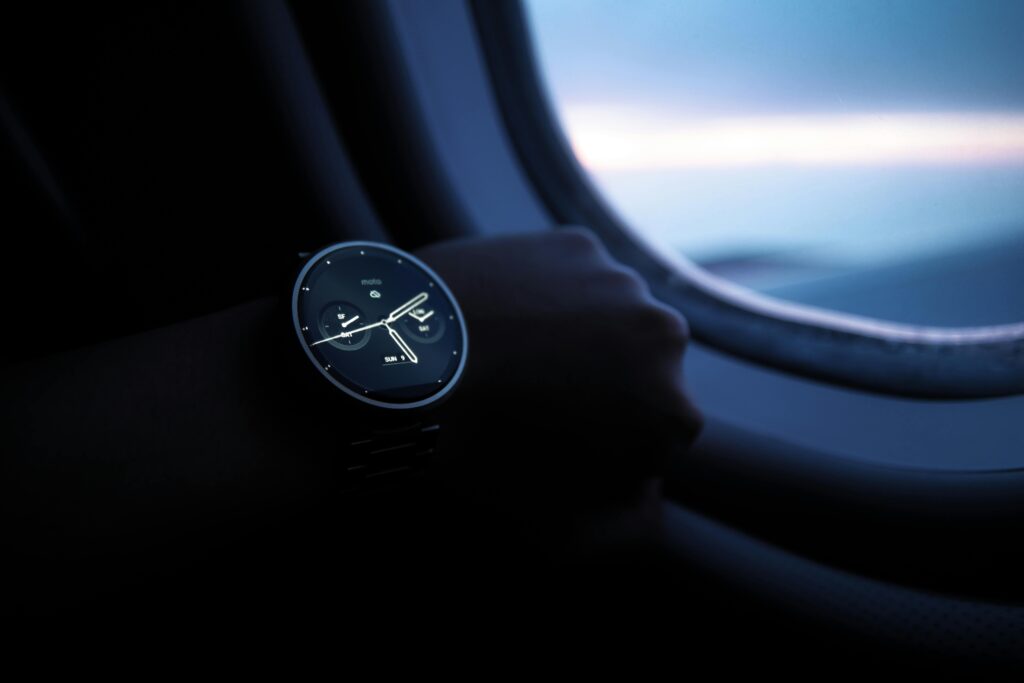
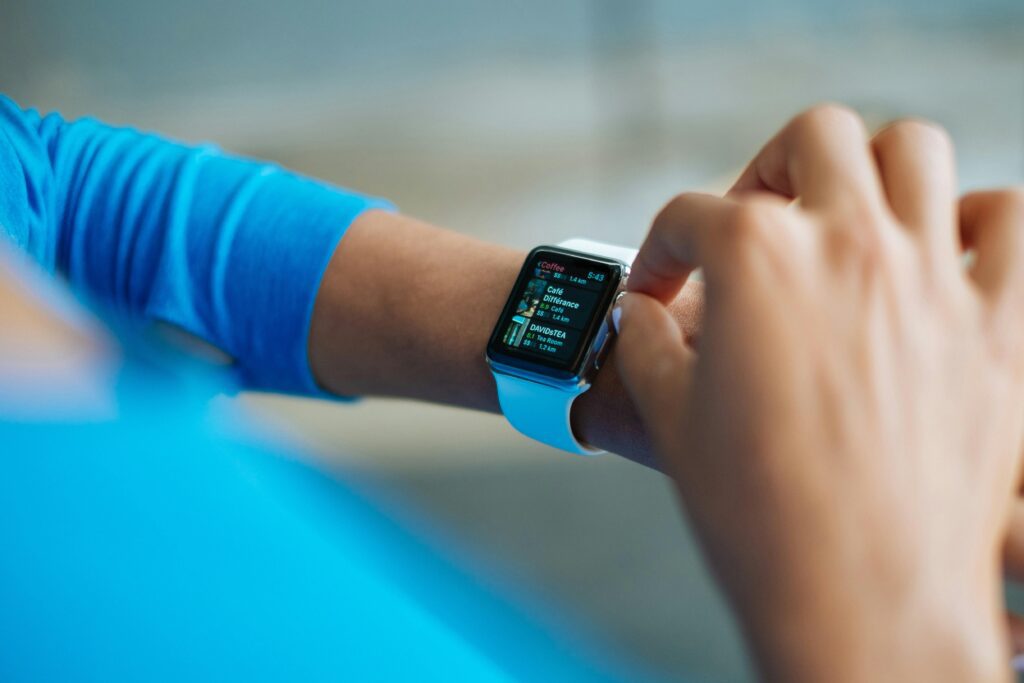
When your Oura ring or Whoop strap flashes a readiness score of 85 or higher, it is doing more than giving you a gold star. It is giving you physiological permission to push your limits.
But what exactly goes into that number? Why does 85 seem to be the magic threshold for peak performance? And how can you reliably hit that green zone when life gets busy?
Let us decode the data behind your daily score and look at why hitting 85+ is the secret weapon for your next PR. 🚀
Decoding the magic number 85
It is easy to become obsessed with the single number on your screen. You wake up, check the app, and let it dictate your mood. But to truly use this tool, you need to understand what is happening under the hood.
A readiness score (or recovery score, depending on your device) is not a random calculation. It is an aggregate of several biomarkers that indicate how much stress your body is currently handling.
When that score hits 85, it is a signal that your autonomic nervous system is balanced. You are not in “fight or flight” mode (sympathetic dominance). You are in “rest and digest” mode (parasympathetic dominance).
Here are the key pillars that build that score.
Heart Rate Variability (The hero metric)
If there is one metric that matters most for the athletic population, it is Heart Rate Variability (HRV).
Many people assume a steady heart rate is good. Paradoxically, you want your heart rate to be highly variable when you are at rest.
Your heart should not beat like a metronome. It should react instantly to your needs. If you inhale, it speeds up slightly. If you exhale, it slows down. This “variability” shows that your nervous system is responsive and agile.
A high HRV indicates that your body is recovered and ready to handle stress. A low HRV suggests your body is still fighting yesterday’s battles, whether that is a tough workout, a viral infection, or just general life stress.
When you see that readiness score climb above 85, it is almost always driven by a spike in your HRV. It means your tank is full. 🔋
Resting Heart Rate (The efficiency engine)
While you want high variability, you want a low baseline speed.
Your Resting Heart Rate (RHR) is the number of times your heart beats per minute when you are fully relaxed. For athletes, a lower RHR is a badge of honour. It signifies a strong heart muscle and efficient cardiovascular system.
When your RHR dips below your personal average, your readiness score climbs. It means your heart does not have to work as hard to maintain basic bodily functions. It has spare capacity.
Conversely, if you wake up and your RHR is five beats higher than normal, your readiness score will tank. This is often the first sign of overtraining or pending illness.
Sleep Balance (The foundation)
You cannot hack biology. If you do not sleep, you do not recover.
Most wearables track two things here: sleep duration and sleep quality.
Duration is simple math. Did you get enough hours? But quality is where the magic happens. Your device looks for Deep Sleep (physical repair) and REM sleep (mental repair).
An 85+ readiness score rarely happens after a restless night. It requires consistent, quality sleep where your body completes its full cycles of repair.
Body Temperature (The subtle signal)
This is the metric most people ignore until it is too late.
Your body temperature should remain stable during the night. If your skin temperature deviates from your baseline, even by half a degree, it alerts your algorithm.
A spike in temperature often means your body is fighting something. It could be a virus. It could be inflammation from injury. It could be the metabolic heat produced by digesting a late meal or processing alcohol.
When your temperature stays flat and stable, your readiness score goes green.
The 2025 NCAA Study connection 🏀
You might think these numbers are just interesting data points. But they translate directly to performance on the court and in the gym.
The link between high readiness scores and athletic output is becoming undeniable.
In a 2025 NCAA study, researchers tracked collegiate basketball players to see if their morning data predicted their evening game performance. The results were telling.
Hoopers who woke up with higher readiness scores (specifically in that optimal zone) and fewer sleep disturbances racked up more points per game.
But it was not just about energy. It was about precision.
The study showed sharper shooting percentages in athletes with high readiness. This makes perfect physiological sense. When your nervous system is primed (high HRV) and your brain is rested (sufficient REM sleep), your motor learning and reaction times are optimised.
You see the ball clearer. Your decision making is faster. Your mechanics are fluid.
Conversely, players with low readiness scores showed slower reaction times and “foggy” proprioception. They were working harder to achieve less.
This study validates what we have known intuitively: You cannot out train a bad recovery score.
What a green score actually feels like
Data is great. But as an athlete, you need to connect the data to how you feel.
When you wake up with an 85+ score, pay attention to your body before you even look at your phone.
You likely feel a sense of calm energy. It is not the jittery energy of caffeine. It is a deep, sustainable reservoir of power.
Mental clarity: You are less likely to experience brain fog. Tasks that usually feel annoying might feel effortless.
Motivation: Your perceived exertion is lower. The idea of going to the gym feels exciting rather than like a chore.
Physical looseness: You might notice less stiffness in your joints. Your DOMS (delayed onset muscle soreness) might be significantly reduced.
This is your body giving you the green light. 🚦
How to train based on your score
So you have your score. Now what?
The smartest athletes do not just track data. They use it to adjust their programming. Here is a simple framework for autoregulation based on your readiness.
The Green Zone (85 plus)
Status: Primed.
Strategy: Push.
This is the day to chase that PR. Your nervous system is ready to recruit maximum motor units.
- Attempt a 1 Rep Max.
- Do high intensity interval training.
- Tackle the most complex skill work in your sport.
- Add volume to your accessories.
If you have a heavy leg day scheduled but you wake up “Green,” you have permission to add weight to the bar. Your risk of injury is lower, and your potential for adaptation is higher.
The Yellow Zone (70 to 84)
Status: Baseline.
Strategy: Maintain.
This is where you will live most of the time. You are recovered enough to train, but you are not superhuman.
- Stick to the program as written.
- Focus on technique and volume rather than max intensity.
- Do steady state cardio.
You do not need to back off, but you should not expect to feel invincible. Listen to your body during warm ups.
The Red Zone (Under 70)
Status: Strained.
Strategy: Recover.
Your body is waving a red flag. 🚩
Ignore this, and you risk injury or burnout. This does not mean you have to sit on the couch (unless you are sick), but you need to adjust the intensity.
- Focus on active recovery (walking, mobility).
- Keep heart rate in Zone 2.
- Prioritise sleep and nutrition over training volume.
If you had a heavy squat session planned, maybe swap it for technique work or a lighter variation. The goal today is not to break the body down further. It is to help it bounce back.
Practical ways to boost your score 📈
You are not helpless against the algorithm. You can actively influence your readiness score with a few science backed habits.
If you want to see more 85s on your dashboard, try these protocols.
1. The 3 2 1 Dinner Blueprint
Food is fuel, but timing is everything. Eating a heavy meal right before bed forces your body to focus on digestion rather than recovery. This raises your heart rate and body temperature, tanking your score.
Try the 3 2 1 rule:
- 3 hours before bed: Finish your last large meal.
- 2 hours before bed: Stop drinking alcohol (it destroys REM sleep).
- 1 hour before bed: No screens.
For your dinner plate, aim for balance to keep blood sugar stable. Half veggies, one quarter slow carbs (like kumara or rice), and one quarter lean protein.
2. Temperature control
Your body needs to drop its core temperature by about 1 degree Celsius to initiate sleep and enter deep recovery phases.
If your room is too hot, your heart has to pump blood to your skin to cool you down. This keeps your heart rate elevated all night.
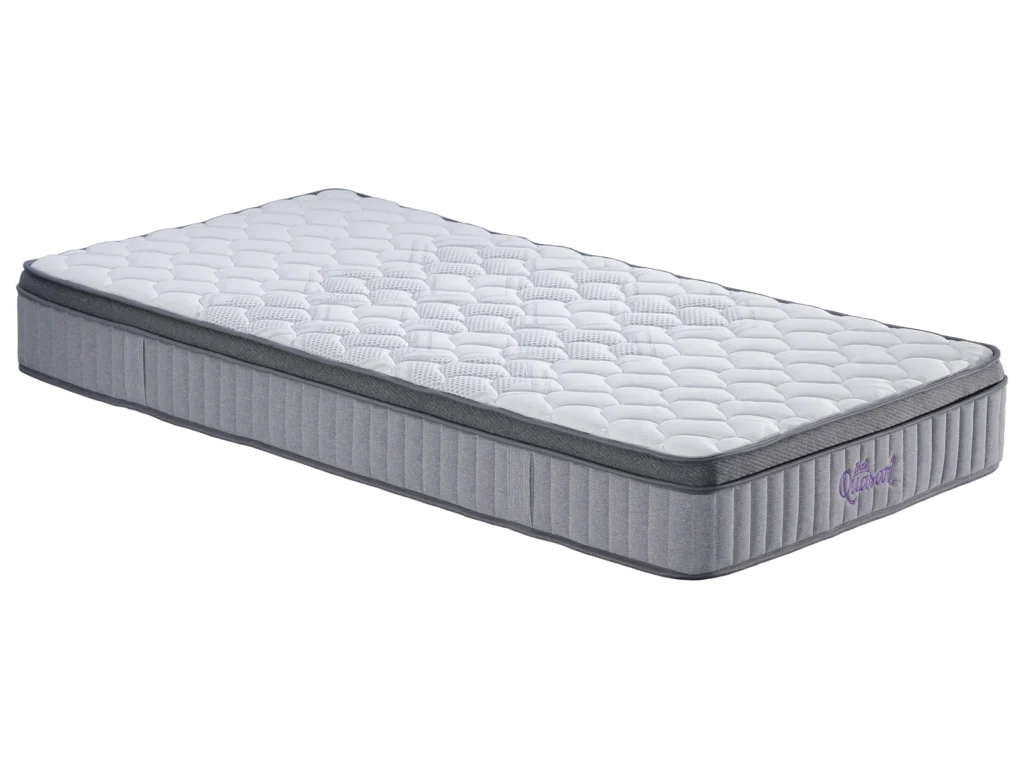
Keep your room cool (around 18 degrees Celsius is ideal). If you are an athlete carrying a lot of muscle mass, you generate more heat. Consider breathable bedding or a mattress designed for cooling to stop you from overheating.
3. Light discipline
Your circadian rhythm is ruled by light.
Get sunlight in your eyes within 30 minutes of waking up. This anchors your cortisol peak to the morning, where it belongs.
Then, eliminate blue light at night. Blue light suppresses melatonin, the hormone that signals to your body that it is time to wind down.
4. Alcohol awareness
We hate to be the bearer of bad news. But alcohol is the quickest way to ruin your readiness score.
Even one drink can crush your HRV and spike your RHR. It acts as a sedative, knocking you out, but it fragments your sleep quality.
If you want an 85+ score for a big training session or game, save the drink for another night.
Your personal dashboard
Your readiness score is not a judgment on your character. It is a tool.
It is there to help you make smarter decisions. It gives you permission to rest when you need it and the confidence to push when you are ready.
When you stop fighting your physiology and start working with it, everything gets easier. Your mood stabilises. Your energy becomes consistent. And yes, your gym performance goes through the roof.
So check your wrist.
Green score? Lace up. Smash training. 👟🔥
Yellow score? Stay consistent.
Red score? Prioritise rest.
Your body is always talking to you. It is time to start listening.
Drop your latest score below. Are you in the Green today? 👇