Late night PvP gaming is sabotaging your sleep (here’s the science)
20 January 2026|Written by: Dream Chronicler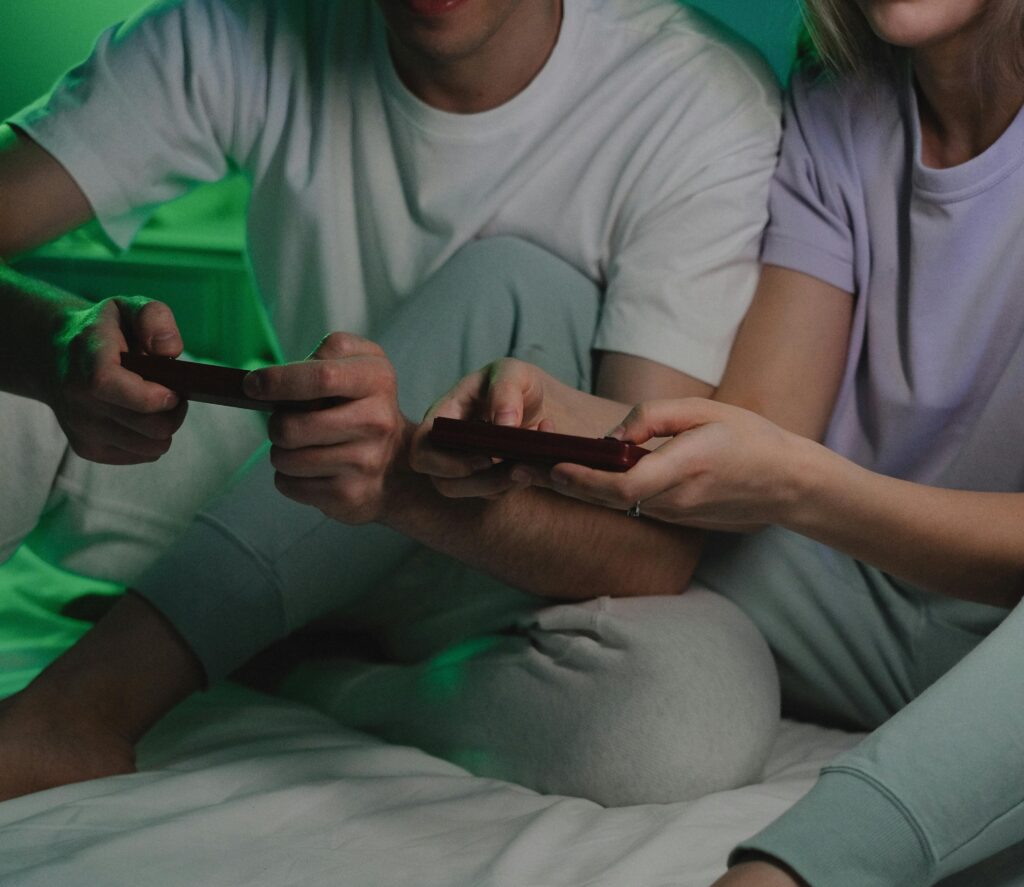
You crush your final match of Fortnite at 11:45 PM, heart still racing from that last second victory. You crawl into bed feeling wired, convinced you’ll fall asleep any second. Two hours later, you’re still staring at the ceiling.
Sound familiar?
Competitive PvP games like Fortnite, PUBG, Brawl Stars, EA FC Mobile, and Rush Royale deliver an adrenaline fueled experience that makes them incredibly fun to play. But when you fire up that final match before bed, you are activating multiple biological systems that directly conflict with sleep. Your heart rate spikes, your brain lights up with strategic thinking, blue light floods your retinas, and your body temperature climbs, all while your circadian rhythm is desperately trying to wind you down for rest.
Let’s break down exactly how competitive gaming before bed affects your sleep quality, and what you can do about it.
The physiology of late night gaming: what’s happening in your body
When you’re deep in a competitive match, your body doesn’t distinguish between a digital battle and a real physical threat. Your sympathetic nervous system activates, triggering a cascade of physiological responses designed to keep you alert, focused, and ready for action.
Heart rate and arousal
Competitive gaming elevates your heart rate significantly. Research published in Frontiers in Neuroscience found that physiological arousal from gaming activity makes it difficult to initiate and maintain sleep. Indices like respiratory rate, blood pressure, and heart rate all increase during gameplay, and they don’t instantly return to baseline the moment you close your laptop.
Fast paced games with high actions per minute (think PUBG firefights or Rush Royale tower defence rounds) induce greater alertness and require sustained attention. This cognitive alertness lingers long after the match ends, impairing your efforts to fall asleep.
Blue light exposure and melatonin suppression
Your phone, tablet, or monitor emits short wavelength blue light, which has a powerful effect on your sleep wake cycle. According to Harvard Health, blue light suppresses melatonin (the hormone that makes you sleepy) for about twice as long as other light wavelengths and shifts your circadian rhythm by up to three hours.
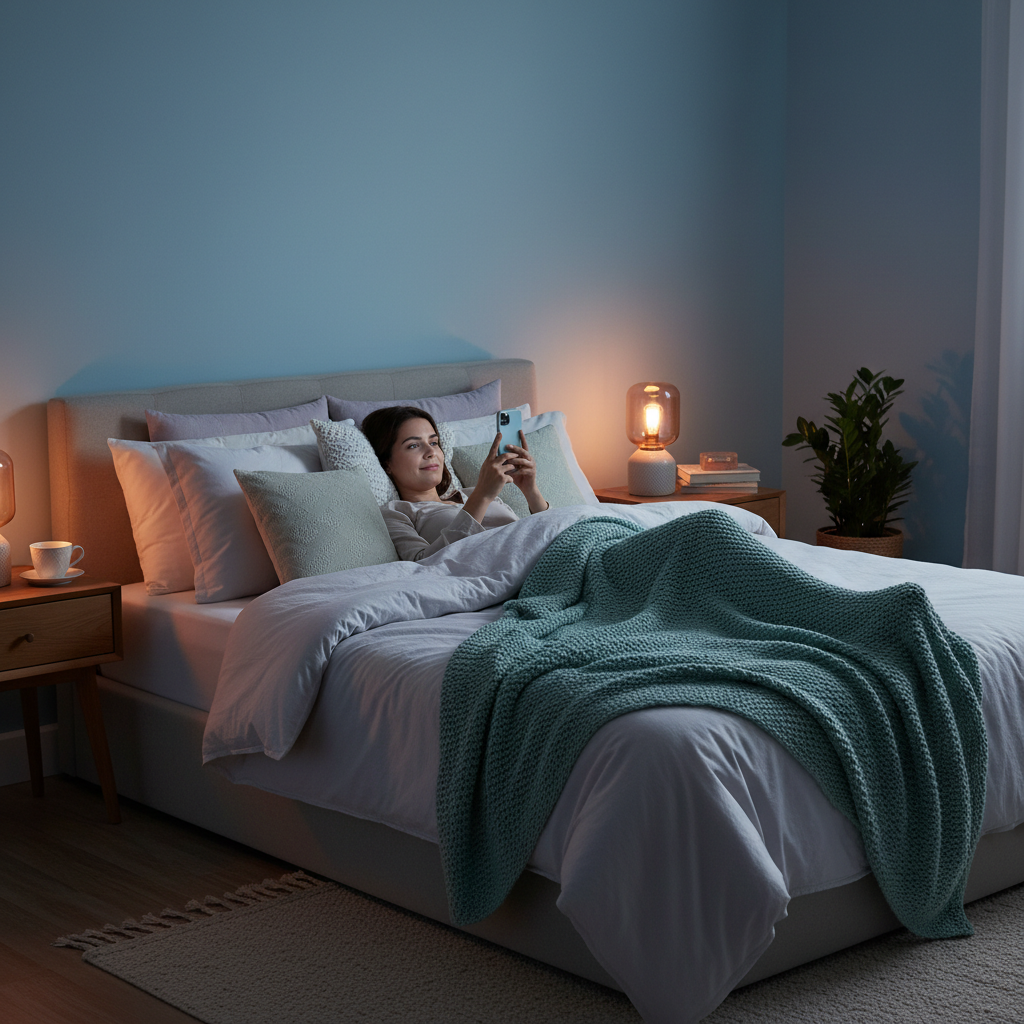
That means scrolling through post match stats or queuing for “just one more game” at 11 PM could delay your body’s natural sleep onset until well past 2 AM, even if you’re in bed with the lights off.
The American Academy of Sleep Medicine recommends avoiding blue light from handheld electronics 30 to 60 minutes before bedtime. Yet their 2025 survey found that over one quarter of adults (26 percent) prioritise screen time over getting the recommended seven hours of sleep each night, and half of adults (50 percent) use a screen while in bed every day.
Body temperature regulation
Your core body temperature naturally drops in the evening as part of your circadian rhythm, signaling to your brain that it is time to sleep. Competitive gaming disrupts this process. The mental and physical engagement involved in PvP matches keeps your body in a heightened state, delaying the natural cooling process required for deep sleep.
Even a short 30 minute session can be enough to interfere with your body’s temperature regulation, making it harder to drift off when you finally do close your eyes.
Stress hormones and the sympathetic nervous system
Winning a clutch round or narrowly avoiding defeat triggers the release of catecholamines (including adrenaline and cortisol), part of your body’s arousal response. These stress hormones are designed to keep you alert and focused, which is fantastic during gameplay but disastrous when you’re trying to fall asleep 20 minutes later.
A systematic review in Frontiers in Neuroscience noted that excessive gaming is broadly associated with longer sleep onset latency, shorter sleep duration, and poor sleep quality. The researchers attributed these effects to the sleep suppressing effect of catecholamines, which operate as part of the physiological arousal response to gaming.
How gaming affects sleep architecture
It’s not just about how long it takes to fall asleep. Gaming before bed also impacts the structure and quality of your sleep once you finally drift off.
Reduced deep sleep and REM sleep
Studies have shown that gaming can lead to reduced slow wave sleep (deep sleep) and rapid eye movement (REM) sleep. Deep sleep is when your body repairs muscle tissue, consolidates memories, and releases growth hormone, critical for athletes and anyone training regularly. REM sleep supports cognitive function, emotional regulation, and motor skill learning.
When you sacrifice these sleep stages for late night gaming, you wake up feeling groggy, sore, and mentally foggy, even if you technically spent eight hours in bed.
Increased sleep onset latency
Sleep onset latency is the time it takes to fall asleep after you turn off the lights. Research from the University of Toronto found that each additional hour of gaming per day delayed bedtime by approximately seven minutes and rise time by nearly 14 minutes. Gamers playing more than one hour per day had a 31 percent increased chance of poor sleep quality compared to non-gamers.
If you’re gaming right before bed, you’re stacking multiple sleep disrupting factors (blue light, arousal, elevated heart rate) on top of each other, significantly extending the time it takes to fall asleep.
Circadian rhythm disruption and “social jet lag”
Gaming at night delays your natural bedtime, which contributes to circadian disruption through a phenomenon called social jet lag. This is the mismatch between your biological clock and your social schedule, usually observed as the difference between sleep timing on workdays versus weekends.
If you’re staying up late gaming on weeknights and then sleeping in on weekends to “catch up,” you’re creating a chronic state of circadian misalignment that affects your mood, performance, and overall health.
The data: how much gaming is too much?
There’s no universal threshold for “problematic” gaming before bed, but the research offers some clues.
According to a study cited in Frontiers in Neuroscience, sleep quality decrements became most pronounced after gaming exceeded one hour per day. Another study found that playing games for more than two hours per day resulted in unfavorable effects on sleep. Interestingly, one adolescent study showed that 50 minutes of gaming per day caused almost no disruption to sleep initiation or maintenance.
The takeaway? If you’re gaming for more than an hour close to bedtime, you’re likely experiencing measurable impacts on your sleep quality. And if you’re playing highly intense, competitive PvP games (where every match could mean victory or defeat), the arousal effect is even stronger.
Competitive gaming vs casual gaming: does intensity matter?
Not all games are created equal. Researchers have proposed the concept of “gaming intensity” as a more important predictor of sleep quality than gaming duration alone.
A fast paced shooter like Fortnite or a high stakes MOBA like Brawl Stars triggers more cognitive alertness and physiological arousal than a slower, more relaxing game. Games with high actions per minute, strategic decision making, and competitive pressure are particularly disruptive to sleep when played in the evening.
If you’re choosing between a casual puzzle game and a ranked PvP match before bed, the puzzle game is far less likely to interfere with your sleep.
Practical strategies to protect your sleep without giving up gaming
You don’t have to quit gaming entirely. You just need to be strategic about when and how you play.
Set a gaming curfew
Aim to finish your last match at least 60 to 90 minutes before your target bedtime. This gives your body time to lower your heart rate, reduce arousal, and start the natural wind down process.
If you can’t commit to 90 minutes, even 30 minutes makes a difference. Use that buffer time for lower intensity activities like stretching, reading, or light meal prep.
Use blue light filters and night mode
Most devices now offer built in blue light filters (Night Shift on iOS, Night Light on Windows, blue light filters on Android). While these won’t completely eliminate the arousal effect of competitive gaming, they can reduce the melatonin suppressing impact of your screen.
Consider investing in blue light blocking glasses if you frequently game in the evening. Studies from the University of Toronto found that people wearing blue light blocking goggles experienced melatonin levels similar to those in dim light, even when exposed to bright screens.
Control your gaming environment
Dim the lights in your gaming space as the evening progresses. Bright overhead lights combined with a glowing screen create a double dose of circadian disruption.
Keep your gaming room cool (around 18°C is ideal for sleep preparation), and avoid eating large meals or consuming caffeine within two to three hours of your planned bedtime.
Wind down with a non screen ritual
After your last match, replace screen time with a calming routine. Try a five minute breathing exercise, a warm shower, or journaling about your day. These activities signal to your brain that it’s time to transition from “game mode” to “sleep mode.”
The 4-7-8 breathing technique is particularly effective: breathe in for four counts, hold for seven, and exhale for eight. Repeat three to four times to activate your parasympathetic nervous system and lower your heart rate.
Track your sleep data
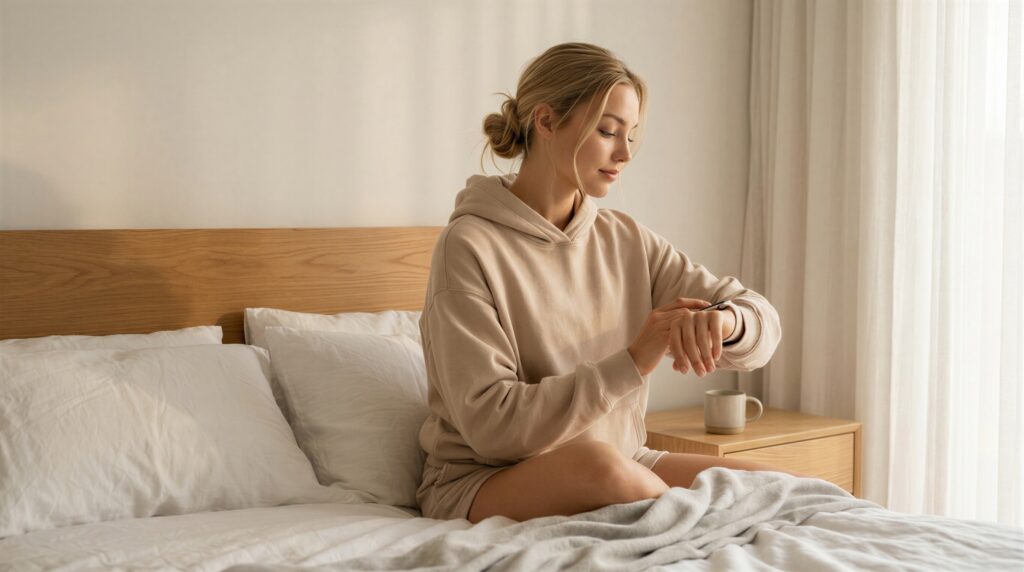
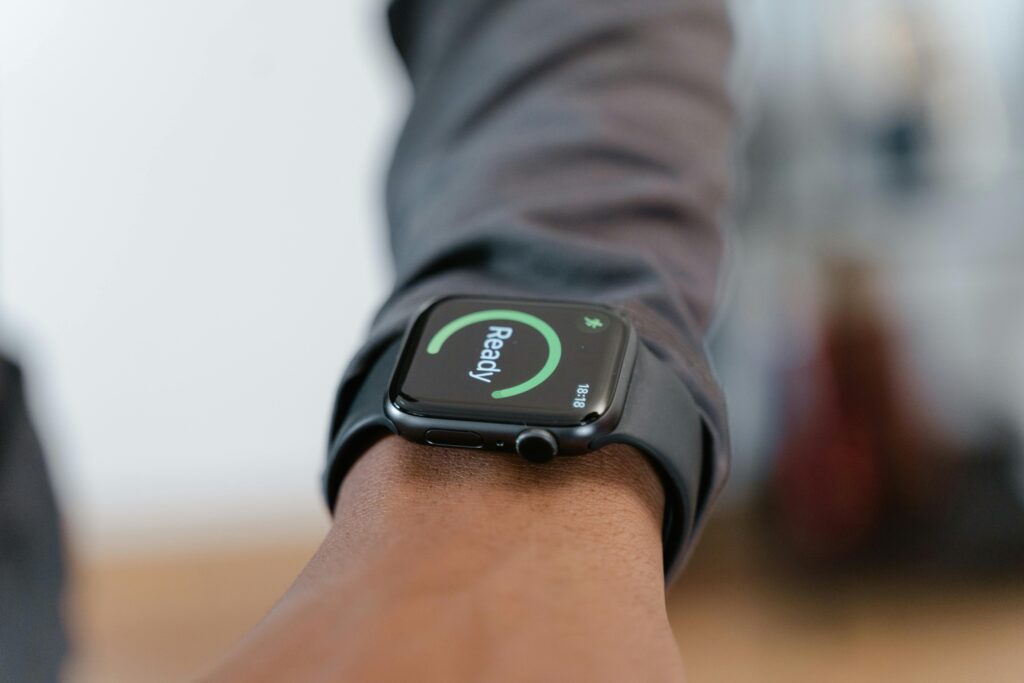
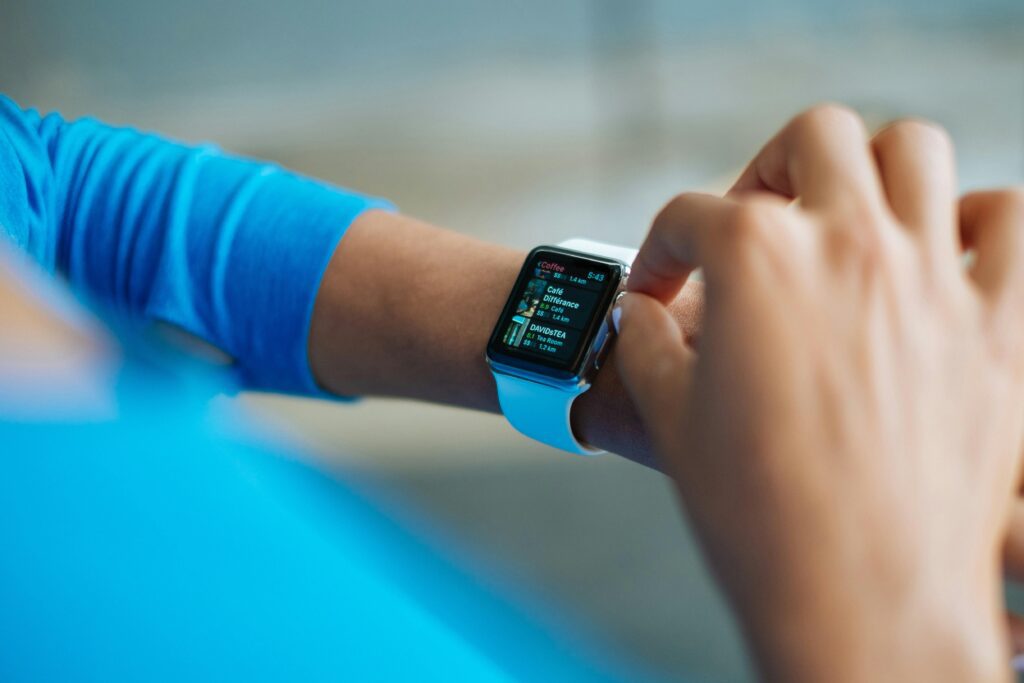
If you wear a fitness tracker or smartwatch (Garmin, Oura, Apple Watch, WHOOP), pay attention to your sleep scores on nights when you game late versus nights when you don’t. You’ll likely notice a clear pattern: longer sleep onset latency, reduced deep sleep, and lower overall sleep quality after late night gaming sessions.
Use this data to motivate yourself to stick to your gaming curfew. When you see the direct impact on your recovery and next day performance, it becomes much easier to close the game earlier.
Choose your games wisely before bed
If you absolutely must play something in the evening, opt for lower intensity, single player experiences instead of competitive PvP matches. Avoid games that require fast reaction times, strategic planning under pressure, or high emotional investment.
The bigger picture: sleep as a performance tool
If you’re an athlete, gym goer, or someone who trains regularly, sleep isn’t just about feeling rested. It’s a recovery tool that directly impacts your performance, injury risk, and long term progress.
Research shows that athletes who average less than eight hours of sleep are 1.7 times more likely to suffer injuries during the season. Sleep deprived athletes also show approximately 20 percent slower reaction times, reduced strength output, and impaired motor learning.
Every hour of lost sleep is an hour your body can’t repair muscle tissue, consolidate motor skills, or regulate stress hormones. And if late night gaming is consistently cutting into your sleep, you’re leaving gains on the table.
Final thoughts: balance gaming and recovery
Competitive PvP gaming is fun, social, and mentally engaging. But when it comes at the expense of quality sleep, it undermines your health, performance, and overall well being.
The science is clear: gaming before bed elevates heart rate, suppresses melatonin, disrupts circadian rhythms, and reduces the quality of your sleep. Even a short 30 minute session can have measurable effects, especially if you’re playing high intensity, competitive games.
The good news? Small changes make a big difference. Finish your last match 60 to 90 minutes before bed, use blue light filters, dim your lights, and replace post game scrolling with a calming wind down routine. Track your sleep data to see the impact, and adjust your habits accordingly.
Your next PR, your injury prevention, and your long term health all depend on quality sleep. Protect it.